
Home » Neurology & Neurosurgery
overview
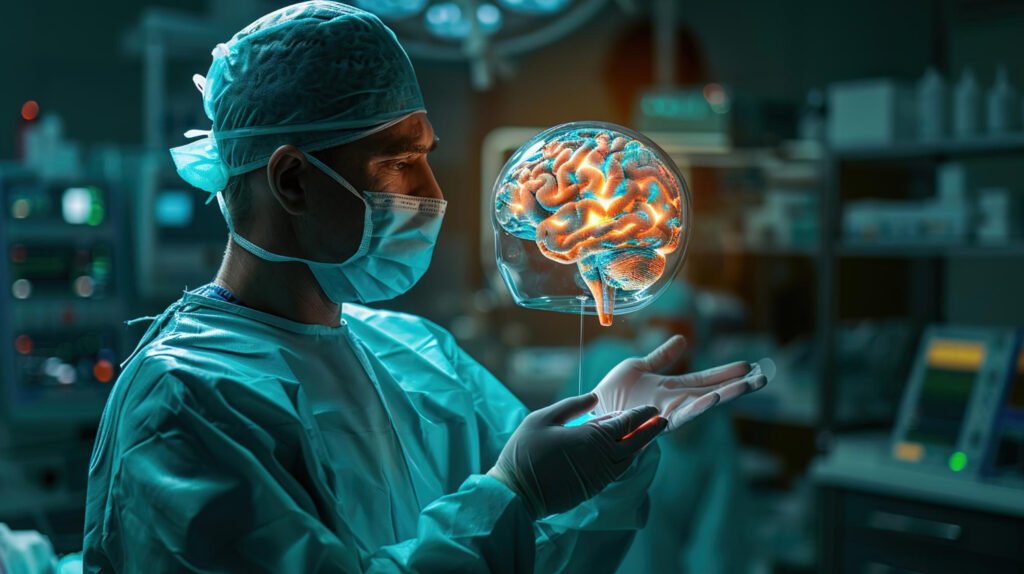
Neurology & Neurosurgery at Kadimi Hospital provides comprehensive care for disorders of the brain, spine, and nervous system through advanced diagnostics and evidence-based treatments. Our experienced neurologists and neurosurgeons focus on early detection, precise diagnosis, and personalized management of neurological conditions. Supported by state-of-the-art technology and a patient-centered approach, we deliver both medical and surgical neuro care with a strong emphasis on safety, clinical excellence, and long-term neurological well-being.
Services
- Comprehensive neurological consultations and clinical evaluation
- Advanced brain and spine imaging (CT, MRI, EEG, EMG, NCV)
- Stroke diagnosis, emergency management, and rehabilitation planning
- Treatment of epilepsy, headaches, migraines, and seizure disorders
- Management of movement disorders such as Parkinson’s disease
- Care for neuromuscular disorders and peripheral nerve conditions
- Brain and spinal tumor diagnosis and surgical management
- Minimally invasive and advanced neurosurgical procedures
- Spine surgeries for disc disorders, spinal stenosis, and trauma
- Management of head injuries, spinal injuries, and neuro-critical care
FAQs
What conditions are treated under neurology and neurosurgery?
The department manages disorders of the brain, spine, spinal cord, and nerves, including stroke, epilepsy, tumors, trauma, and degenerative conditions.
How are neurological conditions evaluated?
Evaluation includes detailed clinical assessment along with investigations such as CT scan, MRI, EEG, EMG, and nerve conduction studies.
When is neurosurgery recommended?
Neurosurgery is advised when surgical intervention is necessary for conditions such as brain or spinal tumors, disc disorders, trauma, or vascular abnormalities.
Does the department manage neurological emergencies?
Yes. Emergency care is provided for conditions like stroke, head injury, spinal injury, and seizures.
How is post-treatment rehabilitation managed?
Post-treatment care includes medical follow-up, rehabilitation planning, physiotherapy, and coordination with allied specialties for recovery.