
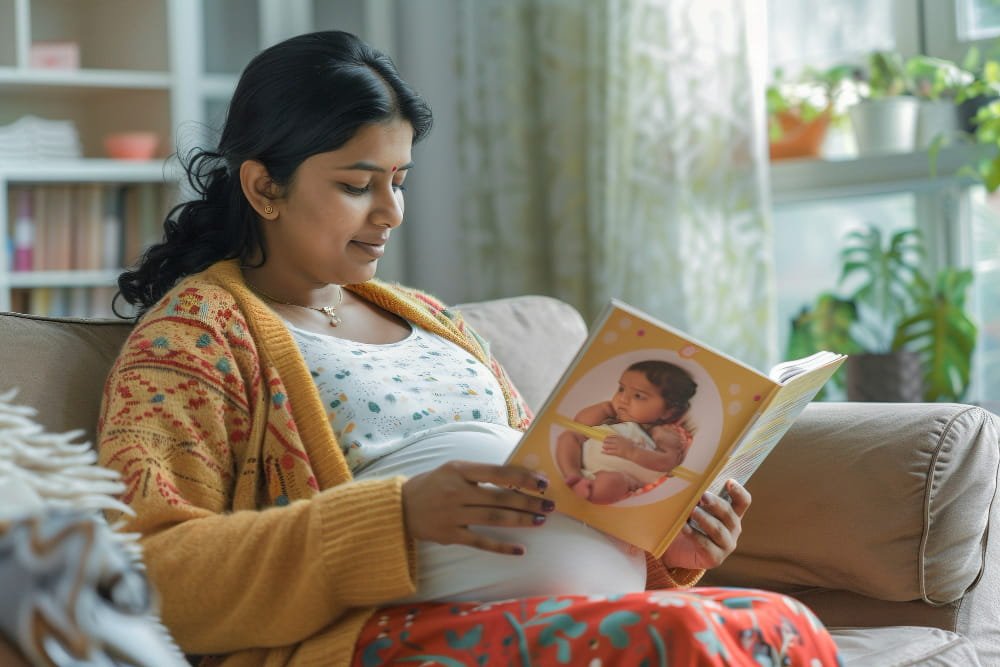
In today’s world, many women are choosing to start families later in life due to career goals, financial stability, and personal choices. While pregnancy after 30 is becoming increasingly common, it also comes with certain considerations that every woman should understand.
The good news is that with proper care, guidance, and awareness, a safe and healthy pregnancy after 30 is absolutely possible.
Is It Safe to Get Pregnant After 30?
Yes, most women can have a healthy pregnancy after 30. In fact, many women in their 30s and even early 40s deliver perfectly healthy babies.
However, fertility naturally begins to decline with age, and there may be a slightly increased risk of complications. This doesn’t mean pregnancy is unsafe it simply means extra care and monitoring are important.
Benefits of Pregnancy After 30
Pregnancy later in life also has its advantages:
- Better emotional maturity
- Financial stability
- Planned and prepared parenthood
- Stronger support systems
Many women feel more confident and ready to handle motherhood after 30.
Common Risks to Be Aware Of
While most pregnancies go smoothly, it’s important to understand potential risks:
1. Reduced Fertility
Egg quality and quantity decline with age, making conception slightly more difficult.
2. Higher Risk of Gestational Diabetes
Women over 30 have a higher chance of developing diabetes during pregnancy.
3. Increased Blood Pressure (Preeclampsia)
This condition needs careful monitoring to avoid complications.
4. Higher Chance of C-Section
Delivery complications may increase slightly with age.
5. Chromosomal Abnormalities
Conditions like Down syndrome have a higher probability with increasing maternal age.
Essential Tips for a Safe Pregnancy After 30
1. Plan Before You Conceive
- Get a complete health checkup
- Discuss medical history with your gynecologist
- Start prenatal vitamins (especially folic acid)
2. Maintain a Healthy Lifestyle
- Eat a balanced, nutritious diet
- Include fruits, vegetables, protein, and whole grains
- Avoid junk food and processed items
3. Stay Physically Active
Regular exercise like walking, yoga, or prenatal workouts helps:
- Improve blood circulation
- Reduce stress
- Maintain a healthy weight
4. Attend Regular Prenatal Checkups
Routine checkups help detect any complications early and ensure both mother and baby are healthy.
5. Manage Stress Effectively
Stress can impact both fertility and pregnancy. Practice:
- Meditation
- Deep breathing
- Adequate rest and sleep
6. Avoid Harmful Substances
- No smoking or alcohol
- Limit caffeine intake
- Avoid self-medication
7. Monitor Existing Health Conditions
If you have conditions like diabetes, thyroid issues, or hypertension, proper management is crucial during pregnancy.
When Should You See a Doctor?
Consult a gynecologist immediately if you experience:
- Irregular periods while trying to conceive
- Difficulty getting pregnant after 6–12 months
- Severe abdominal pain or unusual symptoms
- Bleeding during pregnancy
Early consultation ensures better outcomes.
Conclusion
Pregnancy after 30 is no longer uncommon it’s a normal and healthy choice for many women today. While there are some additional risks, they can be effectively managed with proper medical care and a healthy lifestyle.
With the right guidance and precautions, you can enjoy a safe, smooth, and joyful pregnancy journey.